
The Benefits of Using Itinerary Management Systems
07/03/2026
Creating a Travel Budget: Tools to Help You
07/03/2026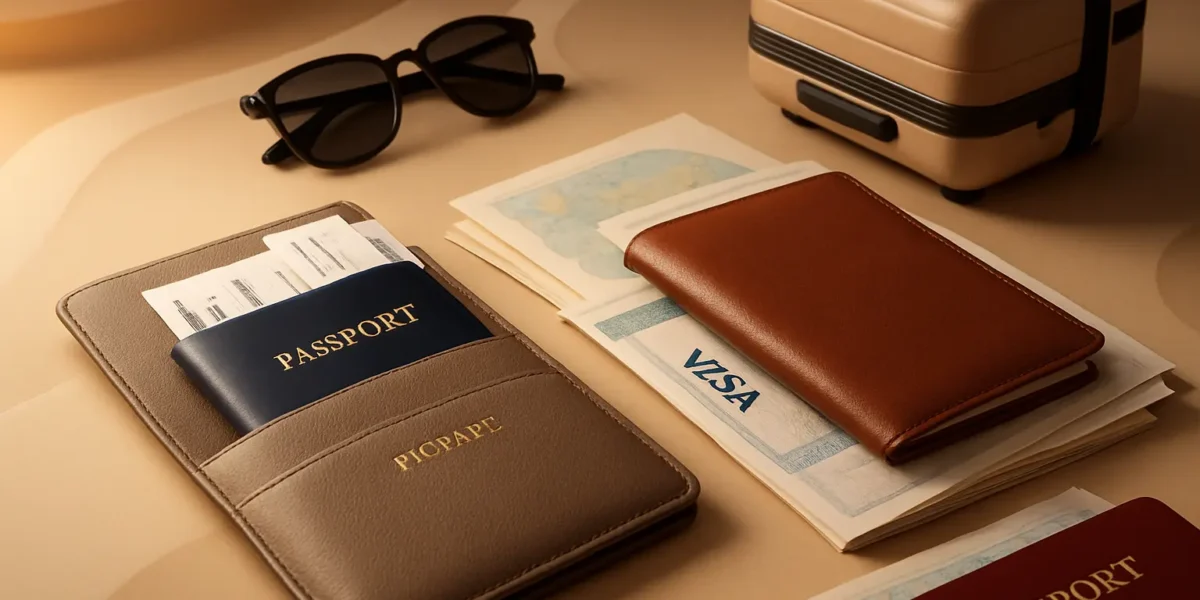
How to Organize Travel Documents Efficiently
Introduction
Traveling can be one of life’s most enriching experiences, but it often comes with the challenge of managing numerous travel documents. Whether you’re planning a short weekend getaway or an extended international trip, having your travel documents organized is crucial. This article will guide you through the best practices for organizing your travel documents efficiently, ensuring a stress-free journey.
The Importance of Organizing Travel Documents
When you travel, you are required to carry various documents, including passports, visas, tickets, hotel reservations, and travel insurance. Disorganization can lead to significant stress, missed flights, or even legal issues in foreign countries. By adopting effective organizational strategies, you can minimize risks and enhance your travel experience.
Benefits of Organized Travel Documents
- Reduced Stress: Knowing where your documents are can alleviate anxiety.
- Time-Saving: Quick access to needed documents can save valuable time.
- Increased Safety: Organized documents are less likely to be lost or stolen.
- Improved Efficiency: Streamlined processes at airports and borders.
Essential Travel Documents
Before organizing, it’s essential to know which documents to prepare. Here are some key travel documents you should always have on hand:
- Passport
- Visa (if required)
- Flight tickets
- Accommodation confirmations
- Travel insurance policy
- Identification (driver’s license, etc.)
- Emergency contacts
Effective Organization Strategies
Now that you know the essential documents, here are practical strategies to organize them efficiently:
Create a Travel Document Checklist
A travel document checklist is a simple yet effective tool. Write down all the documents you need and check them off as you prepare. This ensures nothing is overlooked.
Use Digital Tools
Consider leveraging technology to keep your documents organized:
- Cloud Storage: Use services like Google Drive or Dropbox to store digital copies of your documents.
- Travel Apps: Utilize travel management apps that allow you to store and organize your documents in one place.
- Email Yourself: Send copies of important documents to your email for easy access.
Physical Organization Methods
For those who prefer hard copies, physical organization is key. Here are some tips:
- Use a Travel Folder: Store all documents in a designated travel folder.
- Label Sections: Clearly label sections for easy navigation (e.g., Flights, Accommodation).
- Keep Essentials Accessible: Place critical documents in an easily accessible pocket.
Avoiding Common Mistakes
Even with the best intentions, travelers can make mistakes. Here are some common pitfalls to avoid:
- Not Backing Up Documents: Always have both physical and digital copies.
- Ignoring Expiry Dates: Check that passports and visas are valid for the duration of your trip.
- Failure to Research Requirements: Understand what documents are required for your destination.
Conclusion
Organizing your travel documents doesn’t have to be overwhelming. By understanding the importance of each document, utilizing effective organizational strategies, and avoiding common mistakes, you can ensure a seamless travel experience. Remember, preparation is key to enjoying your adventure without unnecessary stress. With these tips, you will be well on your way to mastering travel document organization.